Bedding Guide
How Naturepedic Fits Into a Thoughtful Bedding Setup
A considered bed is less a single purchase than a composition: mattress, pillow, sheets, and blankets each contribute a distinct note. Here is how to evaluate Naturepedic as part of that whole, and how to build a sleep space around the materials, care routines, and comfort preferences that matter to you.
Think in layers, not labels
A bed can look beautifully resolved and still feel wrong at midnight. Perhaps the surface is too warm, the pillow too high, or the top layer heavier than the season calls for. These small mismatches are reminders that bedding works as a system. A mattress provides the foundation; sheets sit closest to the body; pillows influence head and neck support; blankets, quilts, and duvets shape warmth and weight. Each layer has its own job, and a thoughtful setup begins by understanding those jobs before choosing a particular material or brand.
That perspective is useful when exploring Naturepedic, or any bedding maker. Rather than assuming that a brand name tells the whole story, look at the specific item under consideration: its intended function, construction, listed materials, available sizes, and care instructions. A mattress and a pillow are not interchangeable decisions, even if both are part of the same sleep environment. Nor does a shared material automatically mean two products will feel alike. Fill, weave, thickness, finishing, and maintenance all shape the experience.
It can help to begin with a simple inventory. What already works? Which layer causes discomfort? Is the room generally cool or warm? How often do you want to launder bedding, and do you have space for special-care items? A clear answer to even one of these questions is more useful than an elaborate shopping list.
Start with the foundation
The mattress is the bed’s largest and most consequential layer, but “best” is personal rather than universal. Body shape, sleeping position, preferred firmness, mobility, and sensitivity to pressure all influence what feels supportive. A mattress that suits one person may not suit another, even when both are drawn to similar materials. If possible, review the manufacturer’s specifications and trial, return, and warranty terms before making a decision. Those practical details are part of the product, not fine print to consider afterward.
When considering Naturepedic, consult current information for the exact mattress or bedding item you are researching. Product lines, specifications, certifications, and policies can vary, and details should be confirmed directly rather than inferred from a company name or a general impression. If particular materials or standards are important to you, check that they are stated for the specific model. Certification language can have defined scopes, so it is worth reading what a label covers instead of treating it as a blanket guarantee about every aspect of a product.
Comfort also depends on what sits above the mattress. A thick topper, tightly fitted sheet, or protective layer may subtly change the surface feel. If you are replacing one component at a time, consider how the new piece will work with what remains. The aim is not necessarily to match every label or material. It is to create a combination that feels comfortable, functions well, and can be cared for realistically.
The pillow: small scale, significant effect
A pillow deserves the same attention as the mattress because its height and resilience can affect how the head and neck rest. Sleeping position offers a useful starting point: side sleepers often look for enough loft to fill the space between shoulder and head, while back sleepers may prefer a lower profile. Stomach sleeping commonly calls for less height. These are broad guidelines rather than prescriptions; body proportions and personal comfort still matter.
Fill construction changes the feel. Shredded latex, for example, can feel responsive and springy, while a solid core has a more uniform structure. Fiber fills and down alternatives bring their own combinations of softness, loft, and maintenance needs. The cover matters, too: cotton, linen, and other textiles differ in texture and breathability, and some covers are removable while others are not. Check whether the pillow itself can be washed or whether only its cover is intended for laundering.
A relevant example in the available bedding range is the Naturally Organic Hudson Shredded Latex Pillow. Its product information describes shredded Dunlop latex and an organic cotton cover, with standard, queen, and king sizes. It is listed as spot-clean only, and the fill is not adjustable. That last detail matters: shredded construction may suggest the possibility of changing the loft, but this particular pillow is specified as non-adjustable. Comparing the precise construction and care notes prevents assumptions based on a material category alone.
Whatever pillow you choose, allow for a short adjustment period if the feel differs from your previous one, while paying attention to persistent discomfort. If neck or shoulder pain continues, a bedding change is not a substitute for appropriate professional advice.
Choose the closest layer with care
Sheets have an intimate assignment: they meet the skin night after night, so handfeel and temperature can be as important as appearance. Cotton is available in many weaves and finishes, from crisp percale to smoother sateen. Linen tends to have a more visible texture and a relaxed drape; its feel changes with weave, finish, and use. Neither fiber is automatically right for every sleeper. A preference for a cool, crisp surface is different from a preference for a softer, more enveloping one.
Thread count is only one part of the picture. Fiber quality, yarn, weave, finishing, and construction influence how a sheet feels and wears. For a practical assessment, look for clear fabric details and laundering instructions. Consider whether the fitted sheet’s pocket depth will suit the mattress and any topper. A beautiful flat sheet that slips loose or a fitted sheet that strains at the corners can make a carefully chosen bed feel unfinished.
Material choice should also take account of maintenance. Some textiles are designed for regular machine washing; others may call for gentler settings, line drying, or professional care. Care labels are not a minor detail: they indicate whether the fabric fits the rhythm of your household. Before buying, ask whether the recommended routine is one you can follow consistently.
Build warmth with a lighter hand
Blankets and quilts let you fine-tune the bed without changing its foundation. A lightweight layer can be folded at the foot of the bed for variable nights; a quilt or coverlet may provide a neat finish over sheets; a duvet generally supplies a more substantial source of warmth. Layering is both practical and expressive, but it works best when each piece has a clear purpose. A crowded bed can be visually compelling and still be too warm or cumbersome to manage.
Natural fibers are worth considering for their distinct textures and care needs. Wool is known for providing warmth without necessarily feeling bulky, while linen is prized for its textured surface and breathable character. These general material traits do not guarantee a particular sleep experience: the fabric’s weight, construction, room conditions, and the individual sleeper all make a difference.
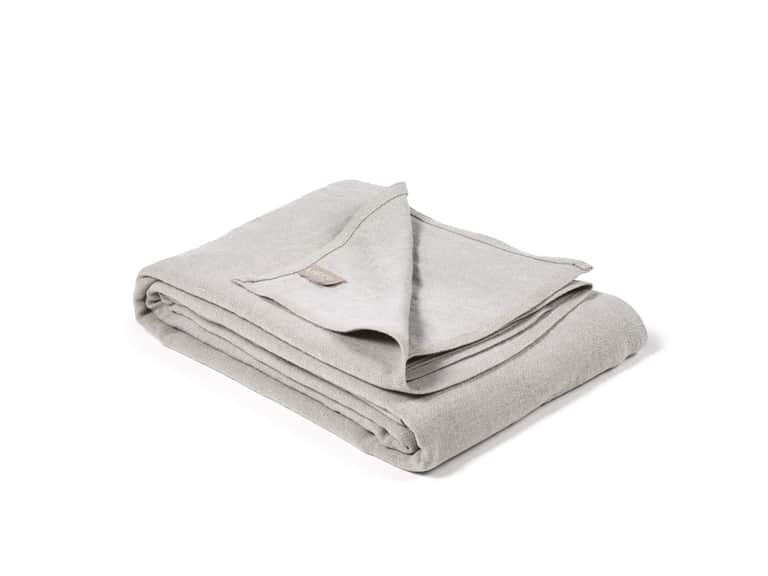
The Hudson Blanket is described as 100 percent European linen, woven from European flax and finished with a stonewashed treatment. Its product information emphasizes a soft, lived-in feel and breathability. It may suit someone looking for a textured layer to use over the bed or to keep close for additional coverage, provided the listed care requirements fit their routine. The maker’s specific washing guidance should be checked before use; do not assume that every linen blanket can be treated like everyday sheets.
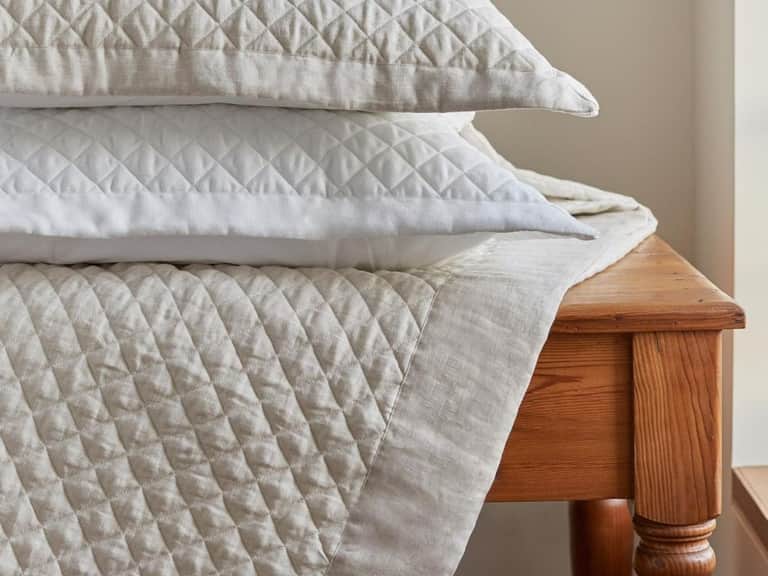
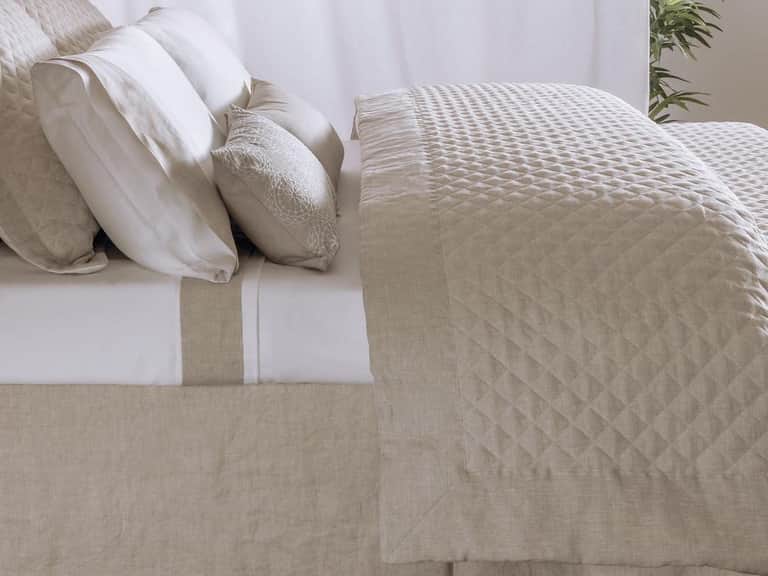
For a more tailored finish, the Bovi Hudson Linen Quilted Shams pair European linen with a diamond-quilted design and cotton percale backing. They are available in several sizes, including Standard, King, Euro, and Grand Euro. Shams are decorative covers, so confirm dimensions and closure details when coordinating them with pillow inserts. Their role is primarily to add texture and structure to the bed’s presentation, rather than to replace a pillow designed for sleeping support.
A composed bed is not necessarily a matching set
There is a certain ease to a coordinated ensemble, but an intentionally composed bed can draw on different textures and shades. A smooth sheet beneath a quilted sham, a relaxed linen blanket over a crisp coverlet, or a quiet tonal contrast can feel cohesive without being identical. The key is repetition: a color echoed in two places, a shared natural texture, or a consistent level of formality. These small decisions make a bed feel considered without requiring every piece to come from one collection.
Think about the room’s palette as well as the bedding itself. White and pale neutrals make texture visible; earthy tones can give linen a grounded, unstudied presence; darker colors may feel enveloping, though they can show lint or fading differently. Finishes also affect the mood. Stonewashed linen reads more relaxed than a very crisp cotton, while diamond quilting adds a deliberate pattern. The choice is not simply decorative: tactile preferences and visual atmosphere are part of daily comfort.
Finishing layers can bring order to the bed’s silhouette. The Bovi Hudson Linen Bed Skirt is described as fully lined, tailored, and made from European linen, with an 18-inch drop. A bed skirt can conceal a frame or under-bed storage and create a more continuous outline. Measure the bed carefully before choosing one; the stated drop needs to work with the height of the frame and the way you want the fabric to fall.
A practical checklist for exploring Naturepedic
When you are assessing Naturepedic alongside other bedding options, use the same questions for each product. A consistent checklist makes comparison more meaningful and helps separate a genuine priority from persuasive language. It also keeps the focus on the individual item rather than broad assumptions about a brand or material.
- What is the item designed to do? Distinguish a mattress from a topper, a sleeping pillow from a decorative sham, and a blanket from a duvet insert.
- What materials are specified? Look for the composition of the cover, fill, backing, and any finish. If a detail is not provided, do not assume it.
- How is it constructed? Fill type, quilting, weave, and closure can change both feel and function.
- What standards or certifications are claimed? Read the exact scope and confirm that it applies to the product you are considering.
- How is it cared for? Check whether the whole item is washable, whether only the cover can be cleaned, and whether dry cleaning or spot cleaning is recommended.
- Will it fit what you own? Confirm size, mattress depth, pillow dimensions, and compatibility with existing covers or inserts.
- What are the purchase terms? Review trial periods, returns, warranties, delivery arrangements, and any conditions attached to them.
These questions are particularly useful when comparing products that appear similar at a glance. Two pillows might both use latex, yet differ in whether the fill is adjustable, how the cover is made, and what care is permitted. Two linen blankets may share a fiber but vary in weight, weave, finish, and intended use. Specific details are the difference between an informed choice and an attractive guess.
Make care part of the design
A well-planned bedding setup is also a manageable one. Create a routine that protects the textiles you use most often while respecting their individual care requirements. Pillow protectors can help shield pillows from everyday soil, but check that the protector fits comfortably and does not alter the feel more than you like. Keep care labels accessible, and avoid applying a single washing rule to every fiber in the closet.
Separate the everyday rotation from occasional layers. Sheets and pillowcases may need frequent laundering, while a decorative sham or heavier blanket may be cleaned less often according to its instructions. Store seasonal bedding clean and completely dry, in a space that allows it to breathe. For items that require special treatment, consider the practical cost and effort of care as part of the original decision.
Attention to maintenance is not fussy; it is a way of extending the useful life of the pieces you choose. It can also keep the bed feeling calm rather than becoming a collection of textiles that look lovely but are difficult to maintain.
Let comfort set the pace
There is no requirement to remake the entire bed at once. In fact, changing one layer at a time makes it easier to understand what has improved the experience. Start with the issue that matters most—perhaps pillow height, sheet texture, or excess warmth—and set a realistic budget for that change. Live with the new layer long enough to assess it under ordinary conditions, including a range of room temperatures and regular washing where appropriate.
When comparing Naturepedic with other options, treat the brand as one part of a broader decision rather than a shortcut to a complete bedding plan. Verify current specifications for each relevant product, then compare them with alternatives on construction, comfort, care, and fit. A mattress can establish the bed’s foundation, but the layers around it determine much of its daily character.
The result need not be elaborate. A supportive foundation, a pillow that suits your position, breathable sheets you enjoy touching, and one or two useful warmth layers can be enough. When every piece has a purpose—and its maintenance is compatible with real life—the bedroom begins to feel less like a display and more like a quietly personal retreat.